
Concrete Repair Contractors Near You
Concrete is one of the most durable building materials available, but even properly installed concrete can develop cracks, settle unevenly, or show signs of wear over time. Exposure to changing weather conditions, heavy vehicle traffic, moisture, shifting soil, tree roots, and years of everyday use can all contribute to concrete damage. Fortunately, many problems can be repaired without replacing the entire slab.
Professional concrete repair helps restore the appearance, safety, and structural performance of driveways, sidewalks, patios, garage floors, foundations, pool decks, and other concrete surfaces. Depending on the condition of the concrete, contractors may recommend crack repair, slab lifting, resurfacing, joint repair, patching, or partial replacement to address the underlying problem and help prevent further deterioration.
Not every crack means your concrete has failed. Some surface imperfections are cosmetic, while others may indicate movement beneath the slab or drainage issues that require attention. Identifying the cause of the damage is often the first step toward choosing the most effective repair solution.
Bro’s Concrete helps homeowners and businesses connect with experienced local concrete contractors who specialize in repairing damaged concrete. Whether you’re dealing with cracked sidewalks, uneven driveways, sunken patios, deteriorating garage floors, or aging concrete around your property, comparing estimates from qualified professionals can help you determine the most practical and cost-effective repair option.
Signs Your Concrete May Need Repair
Concrete naturally changes over time, but certain warning signs may indicate it’s time to have the surface evaluated by a professional. Addressing damage early can often prevent more extensive repairs and help extend the life of your existing concrete.
Uneven or Sunken Concrete
If one section of concrete settles lower than another, it can create trip hazards, drainage issues, and additional stress on surrounding slabs. Uneven concrete is commonly caused by soil movement, erosion, or poor base preparation.
Growing Cracks
While small hairline cracks are common, cracks that widen, deepen, or continue to spread may indicate underlying movement or structural problems.
Pooling Water
Standing water after rain often indicates drainage problems or settling that should be corrected before additional damage occurs.
Flaking or Chipping
Concrete that begins to chip, peel, or lose its surface layer may be experiencing scaling or spalling caused by weather exposure, deicing salts, poor finishing techniques, or age.
Crumbling Edges
The edges of driveways, sidewalks, and patios are especially vulnerable to impact damage and erosion. Repairing deteriorating edges early can help prevent larger sections from breaking away.
Loose Expansion Joints
Expansion joints help concrete move naturally as temperatures change. Damaged or deteriorated joints allow moisture to enter beneath the slab, increasing the risk of cracking and settlement.
Surface Discoloration
Stains, rust marks, mineral deposits, or fading don’t always indicate structural damage, but they may signal moisture problems or surface deterioration that should be evaluated during a repair inspection.
Repair vs. Replacement Decision Guide
| Condition | Repair May Be the Best Option | Replacement May Be the Better Option |
|---|---|---|
| Hairline Cracks | ✅ Yes | ❌ Usually Not Necessary |
| Small Surface Cracks | ✅ Crack Filling or Patching | ❌ Rarely Needed |
| Minor Chipping or Scaling | ✅ Surface Repair or Resurfacing | ❌ Usually Not Necessary |
| Uneven Concrete | ✅ Slab Leveling or Foam Injection | ❌ Only if Damage is Severe |
| One Damaged Section | ✅ Partial Slab Replacement | ❌ Entire Driveway Often Not Needed |
| Worn Appearance | ✅ Concrete Resurfacing | ❌ Cosmetic Issues Alone Don’t Require Replacement |
| Multiple Deep Cracks | ⚠️ Sometimes | ✅ Often Recommended |
| Extensive Spalling | ⚠️ Depends on Severity | ✅ If Structural Integrity is Affected |
| Major Drainage Problems | ⚠️ Sometimes | ✅ If the Base Has Failed |
| Widespread Settlement | ❌ Rarely | ✅ Usually the Best Long-Term Solution |
| Tree Root Damage | ⚠️ Possible for Small Areas | ✅ If Multiple Slabs Are Displaced |
| Concrete Over 30 Years Old with Significant Damage | ⚠️ Limited Repairs | ✅ Often More Cost-Effective |
Signs Concrete Can Usually Be Repaired
✅ Hairline cracks
✅ Minor surface wear
✅ Small chips or edge damage
✅ One or two uneven slabs
✅ Cosmetic discoloration
✅ Isolated damage
Signs Replacement May Be the Better Investment
❌ Large cracks throughout the slab
❌ Multiple sunken sections
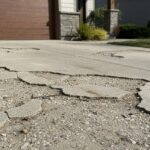
❌ Severe spalling or crumbling
❌ Constant standing water
❌ Extensive frost heaving
❌ Failing foundation beneath the slab
❌ Years of repeated repairs
| Problem | Common Solution |
|---|---|
| Hairline cracks | Crack sealing or filling |
| Sunken driveway | Polyurethane foam lifting or mudjacking |
| Uneven sidewalk | Concrete leveling |
| Surface flaking | Concrete resurfacing |
| Spalling | Partial repair or replacement |
| Damaged expansion joints | Joint cleaning and resealing |
| Pooling water | Drainage correction and slab leveling |
| Broken slab | Partial slab replacement |
| Large structural cracks | Full slab replacement |
| Cosmetic discoloration | Cleaning, staining, or resurfacing |
Types of Concrete Repair
Concrete damage can range from minor cosmetic imperfections to serious structural issues. Fortunately, not every crack or uneven slab requires complete replacement. Professional concrete contractors use a variety of repair methods depending on the type, location, and severity of the damage. Understanding the available repair options can help homeowners choose the most effective and cost-efficient solution.
Cracks are one of the most common concrete problems. While small hairline cracks are often cosmetic, larger cracks may allow moisture to penetrate the slab, leading to additional deterioration over time. Repairing cracks early helps prevent water intrusion, freeze-thaw damage, weed growth, and further separation.
Common crack repair methods include:
- Epoxy injection for structural cracks
- Polyurethane injection for active or moisture-prone cracks
- Routing and sealing with flexible sealants
- Surface patching for minor cosmetic repairs
The best repair method depends on the width, depth, location, and cause of the crack.
Concrete patching restores small damaged areas caused by chipping, impact damage, or surface deterioration. Specialized repair materials are used to bond new material to existing concrete while restoring the surface’s appearance and strength.
Patching is commonly used for:
- Broken driveway corners
- Chipped sidewalks
- Garage floor damage
- Spalling repairs
- Small holes and voids
Uneven concrete doesn’t always need to be replaced. If the slab remains structurally sound, leveling may restore it to its original position while eliminating trip hazards and improving drainage.
Popular leveling methods include:
Polyurethane Foam Injection
Expanding polyurethane foam is injected beneath the slab to fill voids and gently raise settled concrete. Foam lifting is lightweight, cures quickly, and minimizes disruption to surrounding landscaping.
Mudjacking
Mudjacking uses a cement-based slurry pumped beneath the slab to raise sunken concrete. This traditional repair method remains effective for many residential and commercial applications.
Slab Jacking
Slab jacking is a general term describing the process of lifting settled concrete by pumping material beneath the slab. The specific material used varies depending on the repair method.
Concrete leveling is commonly performed on:
- Driveways
- Sidewalks
- Patios
- Garage floors
- Pool decks
- Walkways
When concrete is structurally sound but looks worn or weathered, resurfacing can restore its appearance without complete replacement.
Resurfacing may correct:
- Minor cracks
- Surface discoloration
- Scaling
- Light spalling
- Cosmetic imperfections
Decorative overlays can also provide the look of stone, tile, brick, or stamped concrete while covering older surfaces.
Expansion joints and control joints allow concrete to naturally expand and contract as temperatures change. Over time these joints may deteriorate, allowing moisture to penetrate beneath the slab.
Repairing damaged joints helps:
- Reduce water infiltration
- Minimize future cracking
- Protect the concrete base
- Extend the life of the slab
Sometimes only one portion of a concrete surface has failed while the surrounding concrete remains in good condition. Instead of replacing the entire slab, contractors may remove and replace only the damaged section.
Partial replacement is often used when damage is isolated to:
- Individual driveway panels
- Sidewalk sections
- Patio corners
- Garage floor sections
When concrete has experienced widespread structural failure, severe settlement, extensive cracking, or major deterioration, complete replacement may be the most practical long-term solution.
Although replacement requires a larger investment initially, it may eliminate recurring repair costs while providing a brand-new surface built to current construction standards.
The Concrete Repair Process
Every repair project is different, but most professional repairs follow a similar process.
Learn more about proper concrete repair practices from the American Concrete Institute (ACI).
Frequently Asked Questions
- Can cracked concrete be repaired?
Yes. Many cracks can be repaired using epoxy injection, polyurethane injection, sealants, or specialized repair materials depending on the size and cause of the crack. - Is it better to repair or replace concrete?
Minor damage can often be repaired successfully, while widespread cracking, severe settlement, or structural failure may require replacement. - How long do concrete repairs last?
The lifespan of a repair depends on the repair method, quality of installation, environmental conditions, and whether the underlying cause of the damage has been corrected. - Can uneven concrete be leveled?
Yes. Many sunken driveways, sidewalks, patios, and garage floors can be raised using polyurethane foam injection or mudjacking. - What causes concrete to crack?
Common causes include shrinkage during curing, soil movement, heavy loads, poor drainage, freeze-thaw cycles, tree roots, and natural aging. - Can tree roots damage concrete?
Yes. Growing roots can lift slabs, create uneven surfaces, and contribute to cracking. - Is resurfacing better than replacement?
If the concrete remains structurally sound and the damage is primarily cosmetic, resurfacing may provide an economical alternative to replacement. - How soon can repaired concrete be used?
The timeframe depends on the repair method and materials used. Your contractor will provide recommendations based on your specific project. - Does homeowners insurance cover concrete repair?
Coverage varies by policy and the cause of the damage. Homeowners should contact their insurance provider for details about their individual coverage. - Should I get more than one estimate?
Comparing estimates from multiple contractors helps homeowners evaluate repair methods, pricing, timelines, and warranty options before making a decision.
Request Free Concrete Repair Estimates
Whether you’re dealing with cracked sidewalks, uneven driveways, damaged patios, deteriorating garage floors, or other concrete problems, finding the right repair solution starts with a professional evaluation. Bro’s Concrete connects homeowners and businesses with experienced local concrete contractors who can inspect the damage, recommend the appropriate repair method, and provide competitive estimates.
Request your free, no-obligation concrete repair estimates today and compare options from trusted professionals in your area.