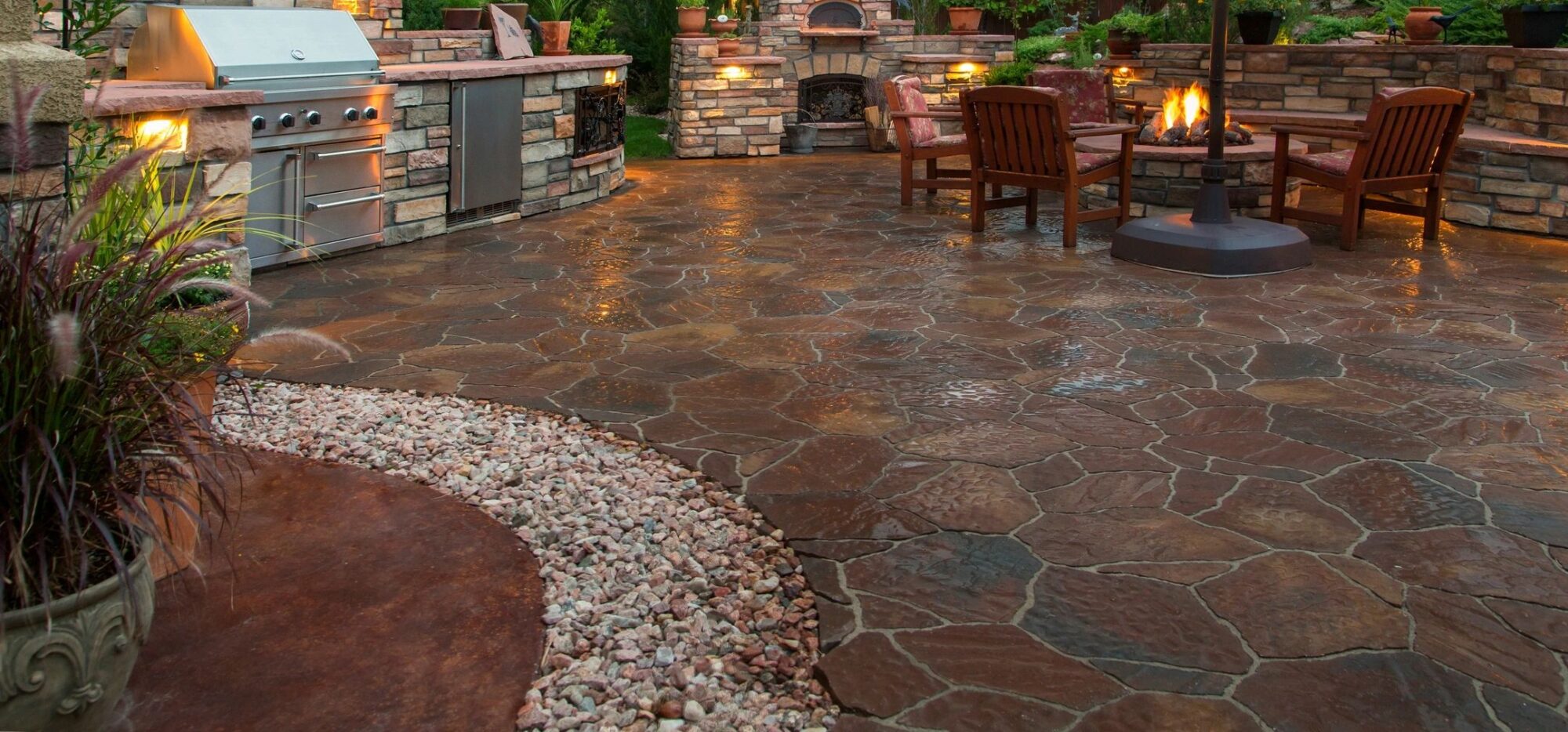
Concrete Driveway Contractors Near You
A professionally installed concrete driveway is one of the best investments you can make to improve your home’s curb appeal, functionality, and long-term value. Whether you’re replacing an aging driveway, building a new home, or expanding your parking space, concrete offers exceptional strength, durability, and design flexibility for residential and commercial properties alike.
 Compared to many other paving materials, concrete requires relatively little maintenance while providing decades of reliable performance when installed correctly. Modern concrete driveways are available in a wide variety of finishes, colors, textures, and decorative styles, allowing homeowners to create a look that complements virtually any architectural style or landscape design. From traditional broom-finished driveways to decorative stamped concrete that mimics natural stone or brick, today’s options offer both beauty and lasting performance.
Installing a concrete driveway is a significant investment, which is why choosing the right contractor is just as important as choosing the right materials. Proper site preparation, grading, reinforcement, drainage, concrete placement, finishing, and curing all contribute to the longevity and appearance of the finished project. Experienced contractors understand how local soil conditions, weather, traffic loads, and project requirements can influence the installation process and long-term durability.
Bro’s Concrete helps homeowners and businesses connect with experienced local concrete contractors for new driveway installations, driveway replacements, repairs, decorative concrete, resurfacing, and related concrete services. Whether your project is large or small, requesting estimates from qualified professionals allows you to compare options, understand your choices, and confidently move forward with your project.

Benefits of a Concrete Driveway
Concrete remains one of the most popular driveway materials because it offers an excellent combination of durability, versatility, and long-term value. Whether you’re upgrading an existing driveway or installing one for new construction, a professionally installed concrete driveway can provide decades of dependable performance with relatively little maintenance.
Long-Lasting DurabilityExcellent Curb AppealLow MaintenanceIncreased Property ValueDesign FlexibilityWeather ResistanceEnvironmentally Friendly OptionCost-Effective Over the Long Term
One of the biggest advantages of concrete is its exceptional lifespan. When installed on a properly prepared base and maintained over time, a concrete driveway can often last 30 years or more. It stands up well to daily vehicle traffic, changing weather conditions, and normal wear while maintaining its structural integrity.
Your driveway is one of the first features visitors notice when they arrive at your home. A clean, well-designed concrete driveway enhances your property’s appearance and creates a welcoming first impression. Decorative finishes, borders, exposed aggregate, stamped patterns, and integral colors allow homeowners to customize the appearance without sacrificing durability.
Concrete driveways require relatively little routine maintenance compared to many other paving materials. Occasional cleaning, sealing when appropriate, and repairing minor cracks early can help preserve both the appearance and performance of the surface for many years. Regular maintenance is generally straightforward and can help extend the life of the driveway.
A new concrete driveway can improve both the appearance and functionality of a property, making it more attractive to potential buyers. While every real estate market is different, replacing a deteriorated driveway with a professionally installed concrete surface is often viewed as a valuable home improvement that enhances overall curb appeal.
Today’s concrete is far more versatile than many homeowners realize. Contractors can create a wide range of decorative finishes using stamped patterns, exposed aggregate, colored concrete, saw-cut designs, borders, and textured finishes. Whether you prefer a simple, traditional driveway or a decorative surface that complements your home’s architecture, concrete offers countless design possibilities.
Concrete performs well in a variety of climates when installed correctly. Proper drainage, reinforcement, control joints, and curing techniques help minimize the effects of seasonal temperature changes, moisture, and everyday use. Professional installation is especially important in regions that experience freeze-thaw cycles or expansive soils.
Concrete is often considered an environmentally responsible paving material due to its long service life and durability. Because it typically lasts for decades, homeowners may need fewer replacements over the lifetime of the property. Its light-colored surface can also reflect more sunlight than darker paving materials, helping reduce heat absorption in some environments.
Although the initial installation cost of concrete may be higher than some paving alternatives, its longevity and relatively low maintenance requirements often make it a cost-effective investment over time. Fewer repairs, longer service life, and durable performance can reduce overall ownership costs compared to materials that require more frequent maintenance or replacement.
Types of Concrete Driveways
 Concrete driveways offer far more design flexibility than many homeowners realize. While every driveway begins with a solid concrete slab, the finishing techniques, colors, textures, and decorative options can dramatically change its appearance. Whether you’re looking for a simple, low-maintenance driveway or a custom design that enhances your home’s curb appeal, there are several styles to consider.
Broom Finish Concrete Driveways
A broom finish is the most common type of residential concrete driveway. After the concrete is poured and begins to set, the contractor lightly drags a specialized broom across the surface to create a subtle textured finish. This texture improves traction, especially during wet weather, while providing a clean, timeless appearance that complements nearly any home. Broom-finished concrete is durable, affordable, and easy to maintain, making it an excellent choice for homeowners looking for a practical driveway that will stand up to years of daily use.
Smooth Finish Concrete Driveways
Smooth finish concrete creates a sleek, modern appearance that’s popular for contemporary homes and certain decorative applications. While smooth finishes can look attractive, they may become more slippery when wet, which is why many contractors recommend adding a light texture or choosing another finish for areas that receive frequent vehicle or foot traffic.
Exposed Aggregate Driveways
Exposed aggregate is created by removing the top layer of cement paste to reveal decorative stones and aggregates embedded within the concrete. The result is a textured surface that offers excellent slip resistance and a distinctive appearance. Available in a variety of colors and aggregate blends, exposed aggregate driveways are known for their durability, low maintenance, and ability to hide minor dirt and wear better than traditional smooth finishes.
Stamped Concrete Driveways
Stamped concrete is designed to replicate the appearance of premium materials such as natural stone, slate, brick, cobblestone, or wood. During installation, contractors press specialized stamping mats into freshly poured concrete before it cures, creating realistic textures and patterns. Stamped concrete allows homeowners to achieve a high-end look without the expense of installing individual pavers or natural stone. When properly sealed and maintained, it provides lasting beauty while retaining the strength of a traditional concrete driveway.
Colored Concrete Driveways
Adding color is one of the easiest ways to personalize a concrete driveway. Contractors may use integral color mixed directly into the concrete, topical stains, or color hardeners to achieve a wide range of earth tones, grays, reds, browns, and custom shades. Colored concrete can be combined with stamped patterns, exposed aggregate, or decorative borders to create a truly customized appearance.
Decorative Borders and Custom Designs
Many homeowners choose to enhance a standard concrete driveway with decorative borders, saw-cut patterns, contrasting colors, or custom scoring designs. These features can define the edges of the driveway, complement landscaping, or create the appearance of larger individual concrete panels. Decorative accents provide visual interest without requiring an entirely decorative driveway, making them a popular option for homeowners who want a unique look while staying within budget.
The Concrete Driveway Installation Process
Installing a new concrete driveway involves much more than simply pouring concrete. Every step of the process contributes to the strength, appearance, and longevity of the finished driveway. Experienced concrete contractors carefully prepare the site, use quality materials, and follow proven installation methods to help ensure long-term performance.
Site Evaluation and Planning
Every successful driveway project begins with evaluating the property. Contractors assess the size of the driveway, drainage patterns, soil conditions, slope, accessibility, and any existing concrete or landscaping that may affect construction. During this stage, homeowners can also discuss decorative options, driveway width, parking needs, and local permit requirements where applicable.
Demolition and Site Preparation
If an existing driveway is being replaced, the old concrete is first broken up, removed, and hauled away. The area is then graded to establish proper drainage and create a stable foundation for the new driveway.
Proper grading helps prevent standing water, erosion, and uneven settling after installation.
Building a Stable Base
A strong driveway begins below the surface. Contractors typically install and compact a crushed stone or gravel base to provide structural support and promote proper drainage. A well-compacted base helps reduce future movement, minimizes settling, and creates a solid foundation for the concrete slab.
Skipping or rushing this step can significantly shorten the lifespan of a driveway.
Installing Forms and Reinforcement
Wood or metal forms are placed around the perimeter of the driveway to establish its final shape and dimensions. Depending on the project, contractors may also install steel reinforcing bars (rebar), welded wire mesh, or synthetic reinforcement fibers to improve strength and help control cracking.
The type of reinforcement used often depends on local building practices, soil conditions, expected vehicle loads, and project specifications.
Pouring and Finishing the Concrete
Once the forms and reinforcement are in place, fresh concrete is poured, spread evenly, and leveled using specialized tools. Contractors carefully finish the surface to achieve the desired texture, whether it’s a traditional broom finish, exposed aggregate, decorative stamping, or another custom finish.
Control joints are also cut or tooled into the concrete to help direct natural shrinkage cracks and reduce the likelihood of random cracking as the concrete cures.
Curing the Concrete
Proper curing is one of the most important steps in the installation process. Although concrete begins to harden within the first day or two, it continues gaining strength for several weeks.
Contractors may use curing compounds, moisture-retention methods, or other techniques to help the concrete cure evenly and achieve maximum strength. Homeowners should follow their contractor’s recommendations regarding when it’s safe to walk or drive on the new driveway.
Final Inspection and Cleanup
Before the project is complete, contractors typically inspect the finished driveway to ensure the surface, joints, edges, and overall workmanship meet expectations. Any forms are removed, the work area is cleaned, and homeowners receive guidance on curing times, sealing recommendations, and routine maintenance to help protect their investment for years to come.

Concrete Driveway Repair
Not every damaged driveway needs to be replaced. Many common concrete problems can be repaired, helping extend the life of the driveway while improving safety and appearance. The best repair method depends on the age of the concrete, the extent of the damage, and whether the underlying base remains stable.
A qualified concrete contractor can inspect the driveway and recommend whether repair, resurfacing, leveling, or complete replacement is the most practical long-term solution. Some common concrete driveway problems are:
Cracked Concrete
Small hairline cracks are a normal part of concrete’s natural curing process and are usually cosmetic. Larger cracks, widening joints, or cracks that continue to grow may indicate movement beneath the slab, poor drainage, or freeze-thaw damage. Prompt repairs can help prevent moisture from entering the concrete and causing additional deterioration.
Uneven or Sunken Concrete
Driveways may settle over time due to soil erosion, poor compaction, changing moisture conditions, or heavy vehicle traffic. Uneven concrete can create trip hazards, drainage problems, and additional stress on surrounding slabs. Depending on the cause and severity, contractors may recommend concrete leveling, slab lifting, or replacement of affected sections.
Surface Scaling and Flaking
Scaling occurs when the surface of the concrete begins to chip, peel, or flake away. This damage may result from repeated freeze-thaw cycles, improper finishing techniques, deicing chemicals, or poor-quality concrete mixes. Early repairs and protective sealing may help slow further deterioration.
Spalling
Spalling is a more advanced form of surface deterioration where larger pieces of concrete begin breaking away from the slab. It may expose aggregate beneath the surface and eventually affect the structural integrity of the driveway if left untreated.
Drainage Issues
Standing water is one of the most common causes of premature concrete damage. Water that pools on the driveway can accelerate cracking, erosion, and surface deterioration over time. Correcting grading or drainage problems often helps protect both new and existing concrete installations.
When Should a Concrete Driveway Be Repaired?
Many driveways can continue providing years of service with timely repairs. Repair may be the right option when:
- Cracks are minor and limited in size.
- Damage is isolated to one section of the driveway.
- The concrete remains structurally sound.
- Surface wear is primarily cosmetic.
- Minor settling can be corrected through leveling or lifting.
- The existing driveway has many years of useful life remaining.
Professional repairs are often significantly less expensive than replacing an entire driveway and can help delay larger construction projects.
When Is Driveway Replacement the Better Option?
While repairs work well in many situations, replacement is sometimes the smarter long-term investment. If damage is widespread or the driveway’s foundation has failed, repeatedly repairing the surface may only provide temporary results.
Replacement is often recommended when:
- Large sections of the driveway have settled unevenly.
- Multiple deep cracks extend across the surface.
- The driveway has extensive spalling or deterioration.
- Drainage problems have caused ongoing structural damage.
- Tree roots have significantly displaced the concrete.
- The existing driveway has reached the end of its service life.
- You’re expanding the driveway or completely changing its layout.
A new driveway also provides the opportunity to improve drainage, increase parking space, upgrade decorative finishes, or incorporate modern design features.

Decorative Concrete Driveway Options
Today’s concrete driveways offer far more than a basic gray slab. Decorative concrete allows homeowners to customize both the appearance and character of their property while maintaining the strength and durability that concrete is known for.
Popular decorative options include:
Stamped Concrete
Stamped patterns can recreate the appearance of brick, cobblestone, slate, flagstone, wood planks, and other premium materials without requiring individual pavers.
Colored Concrete
Integral pigments, stains, and color hardeners provide a wide selection of natural earth tones and custom colors that complement virtually any home’s exterior.
Exposed Aggregate
Exposed aggregate combines decorative stone with excellent traction and long-lasting durability, making it a popular option for driveways in a variety of climates.
Decorative Borders
Contrasting borders add definition and visual interest while complementing landscaping, walkways, or patios. Borders may include stamped designs, exposed aggregate, or colored concrete accents.
Saw-Cut Patterns and Scoring
Decorative saw cuts create clean geometric patterns that resemble large stone pavers or custom tile layouts while maintaining the structural benefits of a continuous concrete slab.
What Affects the Cost of a Concrete Driveway?
Every driveway project is unique, which means pricing can vary considerably from one property to another. Rather than focusing on average prices that may not reflect your local market, it’s more helpful to understand the factors that influence the total cost.
Driveway Size
Larger driveways require more materials, labor, and finishing time, making square footage one of the biggest pricing factors.
Concrete Thickness
Driveways designed for heavier vehicles may require thicker concrete or additional reinforcement, increasing both material and labor costs.
Site Preparation
Removing old concrete, grading the property, correcting drainage issues, or excavating unstable soil can all affect the overall project cost.
Reinforcement
Depending on local conditions and project requirements, contractors may recommend rebar, welded wire mesh, or synthetic reinforcement fibers to improve strength and durability.
Decorative Finishes
Stamped concrete, exposed aggregate, coloring, custom borders, and specialty finishes typically require additional materials and labor compared to standard broom-finished concrete.
Accessibility
Properties with limited equipment access, steep grades, narrow driveways, or difficult working conditions often require additional labor and specialized equipment.
Drainage Improvements
Installing drains, adjusting grading, or improving water runoff may be necessary to protect the new driveway and reduce the risk of future damage.
Local Labor and Material Costs
Material availability, transportation costs, local building requirements, and regional labor rates can all influence pricing. Costs often vary significantly between different cities and states.
How to Get an Accurate Concrete Driveway Estimate
Because every project is different, the best way to understand the cost of a new driveway is to request estimates from experienced local concrete contractors. Comparing multiple estimates allows homeowners to evaluate pricing, project scope, materials, warranties, timelines, and recommended installation methods before making a decision.
When reviewing estimates, consider more than just the total price. Ask contractors about site preparation, reinforcement, concrete thickness, drainage plans, finishing methods, cleanup, and warranty coverage. A detailed written estimate often provides a clearer picture of the overall value and quality of the proposed work.
Bro’s Concrete makes it easy to connect with local concrete contractors who can evaluate your project, answer your questions, and provide free estimates based on your specific property and goals.
Concrete Driveway Maintenance Tips
A professionally installed concrete driveway is built to last, but like any exterior surface, it benefits from routine care. Regular maintenance helps preserve its appearance, reduce unnecessary wear, and extend its lifespan. Fortunately, most maintenance tasks are simple and require very little time compared to other paving materials.
Clean the Driveway Regularly
Dirt, leaves, oil, road salt, and other debris can accumulate over time and stain the concrete if left untreated. Sweeping regularly and occasionally washing the driveway with a garden hose or pressure washer helps keep the surface looking its best. For oil or grease stains, use a concrete-safe cleaner designed specifically for removing automotive fluids.
Repair Small Cracks Early
Hairline cracks are common in concrete and aren’t always a cause for concern. However, larger cracks should be monitored and repaired before moisture can penetrate the slab and cause additional damage. Addressing minor issues early is often less expensive than waiting until repairs become more extensive.
Maintain Proper Drainage
Water is one of concrete’s biggest long-term challenges. Make sure gutters, downspouts, sprinklers, and landscaping direct water away from the driveway whenever possible. Proper drainage helps reduce erosion beneath the slab and minimizes the risk of settlement or cracking.
Seal the Concrete When Recommended
Many contractors recommend applying a quality concrete sealer after the driveway has fully cured. Sealing helps protect against moisture intrusion, stains, UV exposure, and normal weathering while making the surface easier to clean.
Decorative and stamped concrete driveways typically benefit from periodic resealing to preserve their color and finish.
Protect the Surface
Avoid dragging heavy equipment, metal objects, or sharp tools across the driveway whenever possible. Heavy impacts can chip or damage the concrete surface, especially around edges and control joints.
If your area experiences snow and ice, use de-icing products carefully and follow the recommendations provided by your contractor, particularly during the first winter after installation.
Why Homeowners Use Bro’s Concrete
Finding the right contractor can take time. Instead of contacting multiple companies individually, Bro’s Concrete simplifies the process by helping homeowners connect with experienced local concrete contractors serving their area.
When you submit your project information, you’ll have the opportunity to:
- Compare estimates from local concrete contractors.
- Discuss your project with experienced professionals.
- Learn about available materials and design options.
- Compare project timelines and recommendations.
- Make an informed decision based on your needs and budget.
Our goal is to help homeowners save time while making it easier to find qualified professionals for concrete driveway installation, replacement, repair, and decorative concrete projects.

Frequently Asked Questions
How long does a concrete driveway last?
A properly installed concrete driveway can often last 30 years or longer. Lifespan depends on factors such as installation quality, climate, drainage, soil conditions, traffic, and routine maintenance.
How long before I can drive on a new concrete driveway?
Most contractors recommend waiting approximately seven days before driving on new concrete. While the surface hardens much sooner, concrete continues gaining strength during the curing process.
What is the best thickness for a residential concrete driveway?
Most residential driveways are approximately four inches thick, although thicker concrete may be recommended for heavier vehicles such as RVs or work trucks. Your contractor can recommend the appropriate thickness for your project.
Can a cracked driveway be repaired?
Yes. Many cracks can be repaired depending on their size, location, and underlying cause. A contractor can determine whether repair, resurfacing, leveling, or replacement is the most appropriate solution.
Is concrete better than asphalt?
Both materials offer advantages. Concrete generally provides a longer lifespan, lower routine maintenance, and greater decorative flexibility, while asphalt often has a lower initial installation cost and can be easier to repair.
Does a concrete driveway increase home value?
A new concrete driveway can improve curb appeal, functionality, and overall property appearance. While every real estate market is different, replacing an aging or damaged driveway is often viewed as a worthwhile home improvement.
Should I seal my concrete driveway?
Many contractors recommend sealing concrete to help protect against stains, moisture, and weather-related wear. Decorative and stamped concrete especially benefit from periodic sealing.
Can a concrete driveway be widened?
In many cases, yes. Homeowners often expand existing driveways to accommodate additional vehicles, improve accessibility, or create more usable parking space.
What causes concrete driveways to crack?
Concrete can crack due to natural shrinkage, soil movement, freeze-thaw cycles, heavy loads, poor drainage, tree roots, or inadequate site preparation. Not all cracks indicate structural problems, but larger or growing cracks should be evaluated.
What should I ask before hiring a contractor?
Ask about experience, licensing, insurance, project timelines, reinforcement methods, warranty coverage, references, and whether a written estimate includes all labor, materials, cleanup, and any optional upgrades.
Request Free Concrete Driveway Estimates
Whether you’re installing a brand-new driveway, replacing aging concrete, or exploring decorative options, Bro’s Concrete can help you connect with experienced local concrete contractors serving your area.
Submit your project details to request free estimates, compare qualified professionals, and learn more about your options before starting your next concrete driveway project.
Request Free Quotesclick here to begin.